
Bread Alone
The rebirth of a social creature

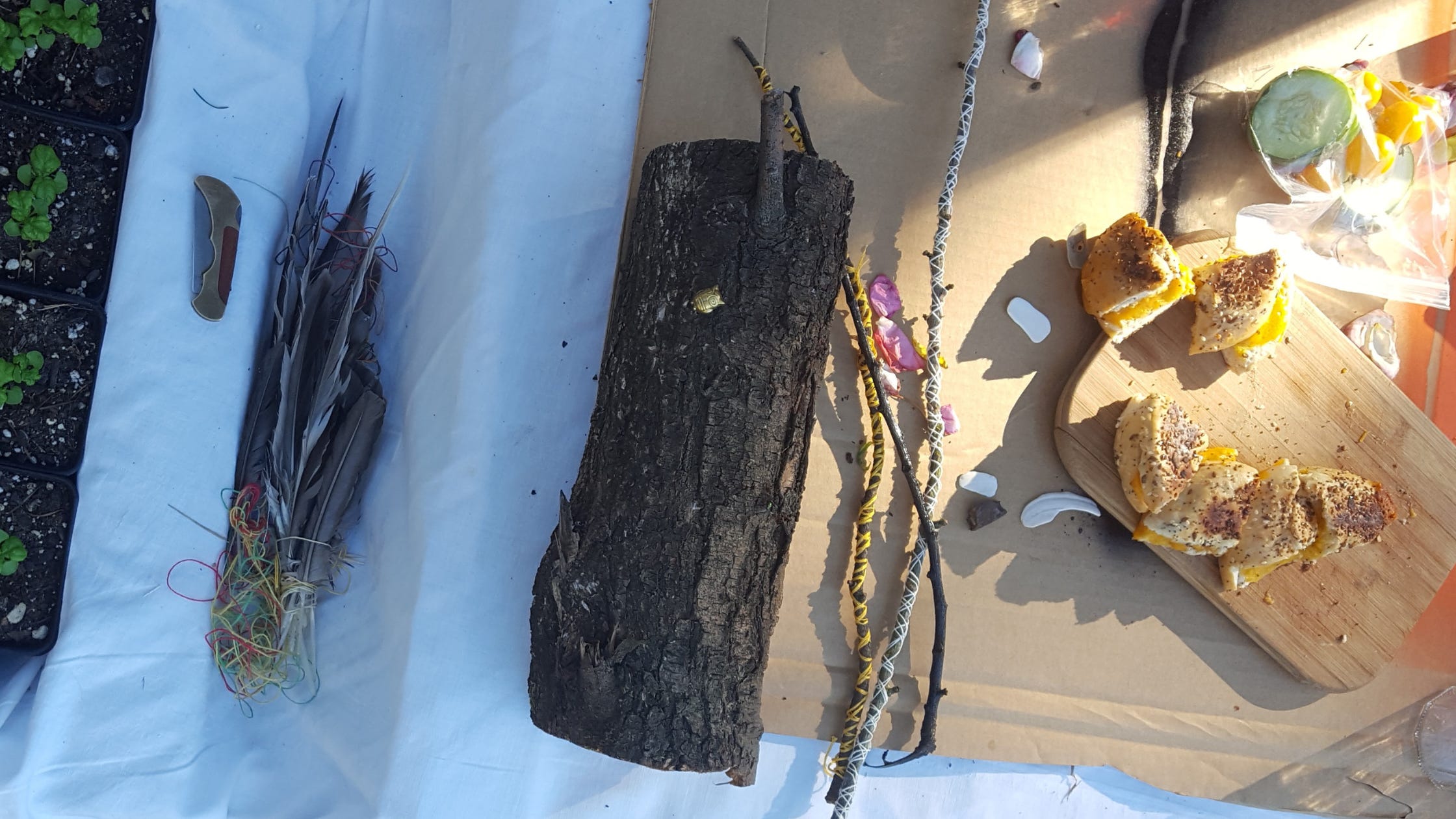
The thing about bread, is that it’s inherently social. Bread alone is not something we eat much, unless our stomach needs settling and then we think “Dry toast.” Otherwise it’s a never ending string of combinations, PB&J, grilled cheese in the states or prosciutto and cheese in the Mediterranean, or even the lovely and much maligned avocado toast which exists in hipster cities all over most of the world. Bread by its nature is a foundation for sweet and savory creations, perfect for eating at a table inside or outside on a warm, sunny day. Even on those dry toast days, it’s a “Me and you kid,” kind of constant.
Bread itself is always a platform: it can serve as a bowl, or a spoon, depending on the texture and situation. It can dip. It can come from flours galore: sprouted, from heritage grains, with a seal of approval from a small cooperative farm, or from the big producers bearing vague labels of “enriched” which generally means stripped and mechanically remixed. It can signal your virtue or not, from basic ingredients to the final product. It can even signal your class and your heritage and like everything else, your politics. When completed, with yeast or without, rising tall or flat, bread can even be put in a rucksack and carried on mythic travels into the woods. It can be the smell that lures our hero out of those fantastic forests and back into society.
Bread by its nature is never alone, never exists without comments, and it’s never just one ingredient. It has its grain and it has its liquid, and in their joining can be an entire community of ingredients, like spices and fruits. Add yeast or a sourdough starter and the reality of bread is that it transforms into a small web of beings eating sugar and expelling carbon dioxide. It’s a multitude of interactions happening with every loaf, a tiny cosmos you can relate to while you lift a towel to peek at its growth on the counter. And if you have time, or worries, watching that little world rise can be like a prayer, infused with your hopes. In fact, it might be true that years and years ago, all over the world, you never made bread without making some small gesture of hope. With the making of bread and the firing of ovens always came a chance to be with your God, your nature, your thoughts. You marked the bread, you cut designs into it. You literally branded the dough with symbols and sent that wish up to your God. In the East and or in the West, South to North, bread was never solely an Earthly thing.
For most of us, the very lucky ones in the global lottery, we watch the dough rise and harden on our clean counters in our homes with solid walls. We are comfortably watching a kind of mini-world being created, only to be sacrificed in well-controlled heat. When we see its transformation, the bread gives us a sense of security and a sense of relationship to generations who never had the same seemingly solid lives, to those who never knew the actual temperature by numbers, but by feeling and sight.
In that way, this quarantine bread, has been connecting us to the ages, reassuring us of our mortality while making us feel particularly alive by engaging this continuity. Today’s bread is funny like that, putting our choices into context, helping us really appreciate why people always blessed or pleaded: somehow made ceremony out of that transformative moment when the hearth and the dough would meet. We can ponder all of this over a homemade coffee or one ordered through a service where someone drops it at our door. During quarantine around here, contactless convenience is also part of the story.
Wisdom says that we can not live on bread alone, and that is true biologically and spiritually. Bread alone would be monotonous and lacking in the very thing that feeds us beyond the numbers of nutrients and calories. Bread alone, all the time, would be boring to the point of hopeless and that more than anything would kill our will to assimilate life. So, as a metaphor or a model for our hearts and spirits, bread can never be fully nor consistently alone. Like that hero in those mythic woods, our few crumbs of bread are symbolic of retaining normalcy in the face of adventures.
During the worst of quarantine last year lots of us got to baking bread, but I also know that at least in the northeast of the United States, commercial bread was never truly scarce. Sure your favorite brand or bakery baguette might not have been as easy to come by, but something was usually there to fill in the bread void. So what was it that had legions of us attacking the yeast and flour aisles? Was it boredom? Was it savings? Was it a way to stave off helplessness or that great monotony? There are probably a few different motivators each person would give, you know a ranking, some listicle of “reasons” why we each got into this process. Still I wonder if the logical reasons are part of the story, but not all of the truth.
Was it the smell that lured family and quarantine mates into the common area of the kitchen? Was it an easy way to upgrade a frozen meal? Did homemade bread suddenly make that bottle of wine or cup of tea seem more poetic, more special? Did conversations bubble alongside the yeast? Did children’s little hands beg for a slice of dough to shape on their own? Did all this bread baking give people a reason to knock on a neighbor’s door and leave a small basket with a note saying, “I baked too much!” Did it sometimes or always start an exchange: of goods, of conversation, of feelings that overcame the monotony of home in walls that were suddenly way too solid?
Today’s optimal diets don’t like bread very much. But I’m not here to defend bread or gluten or get deep into the politics of modern wheat. I’m not talking about your ketogenic needs and what twenty eight days of protein or juicing does for your waistline and productivity. I am not interested in picking apart the path of bread and agriculture, and its own problems with monotony and reduced variety, at least not today. We can get to the false choices of the modern food market another time.
Today I’m not exploring the fight about food and which is better. Today is about celebrating that primal piece of us, that creative inborn drive to transform, and how we express it. Today is about surviving waves of change when we somehow thought our stable walls really made a difference. Today is about celebrating the fact that we are more fully alive now that we have been fired and hardened on the outside and softened, risen, on the inside. Today I want to celebrate that with machines and with hands, with families and with friends, sometimes while the household slept and other times surrounded by a constant hum of devices, we touched into ourselves, into our ancestral strength, into our most primal creativity and now, we are new. We are new in skills and no matter our level of baking prowess, we are new in the crucial bit: experience.
Maybe the baking was about accepting the moment, but not accepting its limitations. Maybe the rising and the firing, the comparing of crusts and bubbles were part of a new age that still has no name. Maybe in all those pandemic quarantine loaves, new dreams, post-quarantine dreams were rising alongside the worries, giving us both hope and release. What will those days give rise to nobody knows, but surely we know, we won’t do it or see it alone. If we are what we eat, then we are social creatures and this spring season, we have been punched down and risen again into something timeless, and potentially heroic. No matter where we are settled, no matter how far we do or don’t travel into the woods we recognize, we are in this together.